Recognizing the first signs
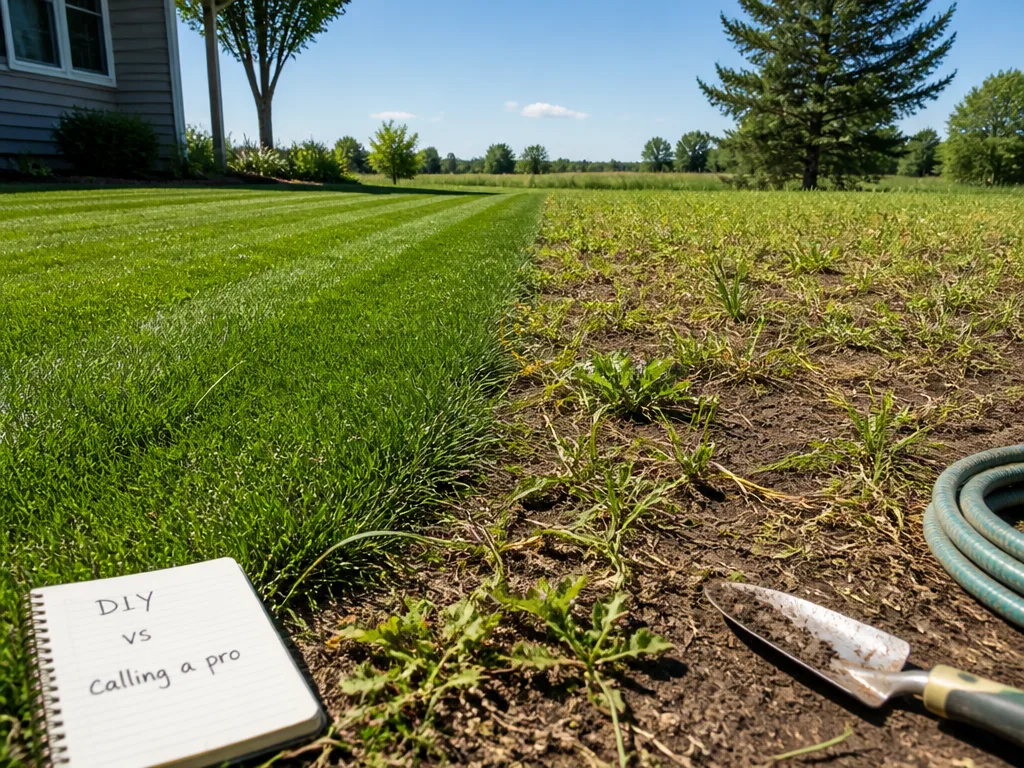
Across Wisconsin, a healthy lawn shows even color and uniform growth. When you start to notice patchy brown spots, thinning turf, or uneven color, that’s a signal something isn’t right. These signs pop up in the heat of summer and the cool of spring, so stay attentive through each season.
Our team of lawn care specialists sees a mix of causes behind those hints of trouble. Sometimes it’s drainage problems after heavy rains, other times it’s soil that’s too compacted to let roots breathe. In Wisconsin, wet springs followed by warm weeks can push fungal growth or grubs into the mix. It’s not just about looks; activity under the surface can limit how well your grass fuels itself for the next mowing cycle.
What to look for in your yard
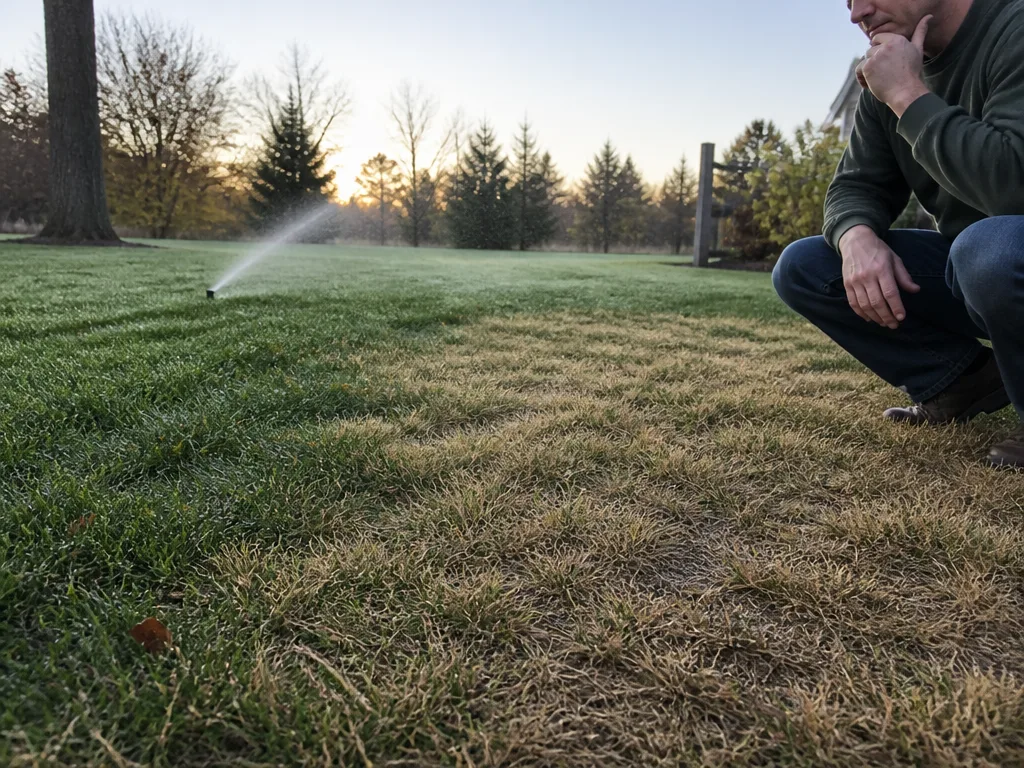
Look for areas that stay wet long after a rain, or spots that stay stubbornly dry even when you’ve watered. Pay attention to footprints that stay visible after mowing, that can mean your soil is compacted. Grass blades with a bluish gray tint or strong purple tones might indicate mineral imbalance or a stressing root system. If you see more than a few irregular patches, that’s a clear reason to call a lawn care specialist to assess the overall health of your Wisconsin lawn.
Another telltale sign is thinning on the edge of the lawn where the soil might be low in nutrients. The lawn can look a bit off color with a mix of green and yellowish blades. If you’re noticing fast, irregular changes in color or density, that points to a deeper issue than simple mowing error.
Simple steps you can take now
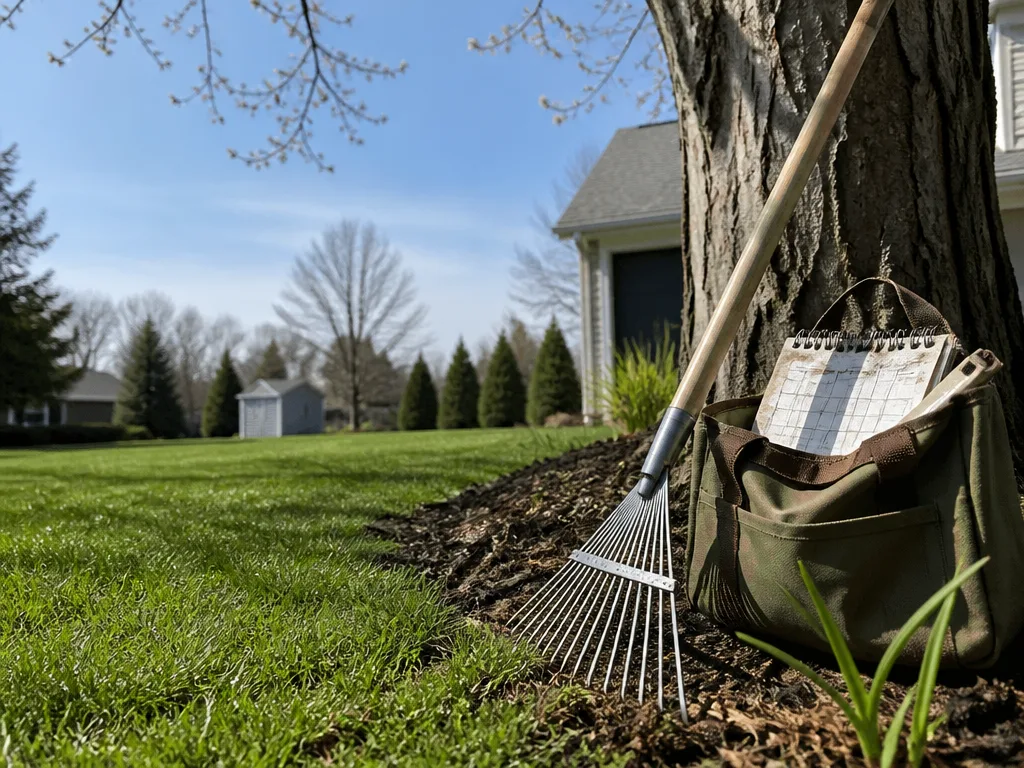
Start with a visual inspection and a gentle routine. Check if the irrigation system is delivering even coverage and not pooling in low spots. Make sure mower blades are sharp; jagged cuts stress blades and slow recovery. Remove thatch buildup if it’s thicker than half an inch. In Wisconsin, a breathable thatch layer helps roots access air and water, especially during transitional seasons.
Keep track of rainfall and irrigation. If a rainy spell makes the soil stay wet for several days, avoid heavy walking on the turf and let nature do some of the work. A lawn care specialist from Wisconsin Crown Thinning can offer a guided soil assessment and recommend a practical plan tailored to your yard’s needs across Wisconsin.
When to seek expert help
If you notice persistent patches that don’t respond to light adjustments in irrigation and mowing, it’s time for a professional evaluation. A lawn care specialist can identify root causes like drainage issues, nutrient imbalances, or compacted soil and propose a plan that’s sensible for Wisconsin weather. Rely on a statewide crew with experience across Wisconsin to ensure the advice fits your specific climate and soil type.