Spring wake-up across Wisconsin
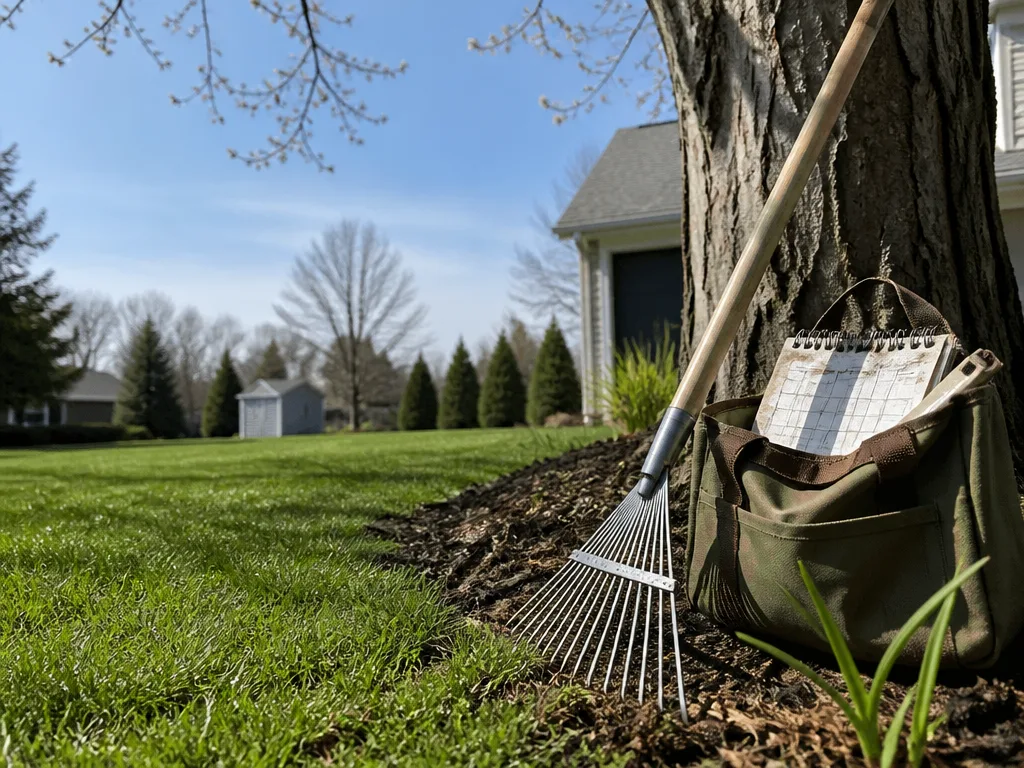
As soon as the soil can be worked, early spring is the time to assess your lawn’s readiness. Remove debris, rake lightly to lift the lawn, and check for compacted areas. If you skipped dethatching in the prior year and the layer is more than half an inch thick, plan a careful removal session. In Wisconsin, a gentle approach helps prevent root damage as temperatures rise.
Watch soil moisture and start with a light fertilization plan if your soil test shows baseline nutrient levels. Apply a slow-release fertilizer in moderate amounts and avoid fertilizer burn. A lawn care specialist can help tailor this to your soil and weather patterns across Wisconsin.
Summer maintenance you can rely on
Summer in Wisconsin means heat, humidity, and changing rainfall. Mowing at the recommended height keeps blades strong and reduces stress. Water deeply but infrequently to encourage deep roots, aiming for about 1 inch of water per week from rainfall plus irrigation. If rainfall is scant, consider a supplemental watering schedule that avoids water waste.
Keep an eye on lawn traffic and compacted soil in high-traffic zones. If you see heavy footprints that stay visible, you may need to aerate and relieve compaction. A lawn care specialist can assess and perform a proper aeration in late spring or early fall, depending on conditions across Wisconsin.
Fall and winter prep for resilience
Fall is the time to prepare for cold months. Clean up leaves, avoid heavy thatch buildup, and apply a fall fertilizer that supports root growth and winter hardiness. Gentle overseeding can help fill thinning areas, especially in lawns that saw seasonal stress. Wisconsin crews plan ahead so the yard goes into winter with a robust root system and solid color coming out of spring.
Into winter, protect the lawn from harsh freeze-thaw cycles by keeping leaves off the turf and maintaining soil moisture at reasonable levels. If you’re unsure about your approach, a lawn care specialist can map out a seasonal plan that covers the whole state and accounts for regional differences in Wisconsin climate.
Quick planning note
Consistency matters in Wisconsin. A steady schedule, adjusted for spring rains and autumn cool-downs, yields better color and density. If you need help translating this calendar into action, our team at Wisconsin Crown Thinning can guide you through a statewide plan that suits your yard and local weather patterns.